I get some version of "isn't SEO dead now?" in almost every client call these days. Usually it comes right after someone's seen a LinkedIn post about ChatGPT replacing Google, or noticed their own search habits have shifted toward asking an AI model directly instead of scrolling ten blue links.
The honest answer isn't yes or no. SEO's job changed, and a lot of people are still measuring it against a version of the job that stopped being accurate two years ago.
Where I land on this: traffic from traditional Google search results is genuinely declining for a lot of query types. But visibility itself — being the source an AI model cites, recommends, or pulls from when someone asks a question — is still won through the same signals SEO has always chased: real expertise, structured content, and being the page that answers the question best. The channel changed. The work didn't disappear.
What's Actually Shrinking
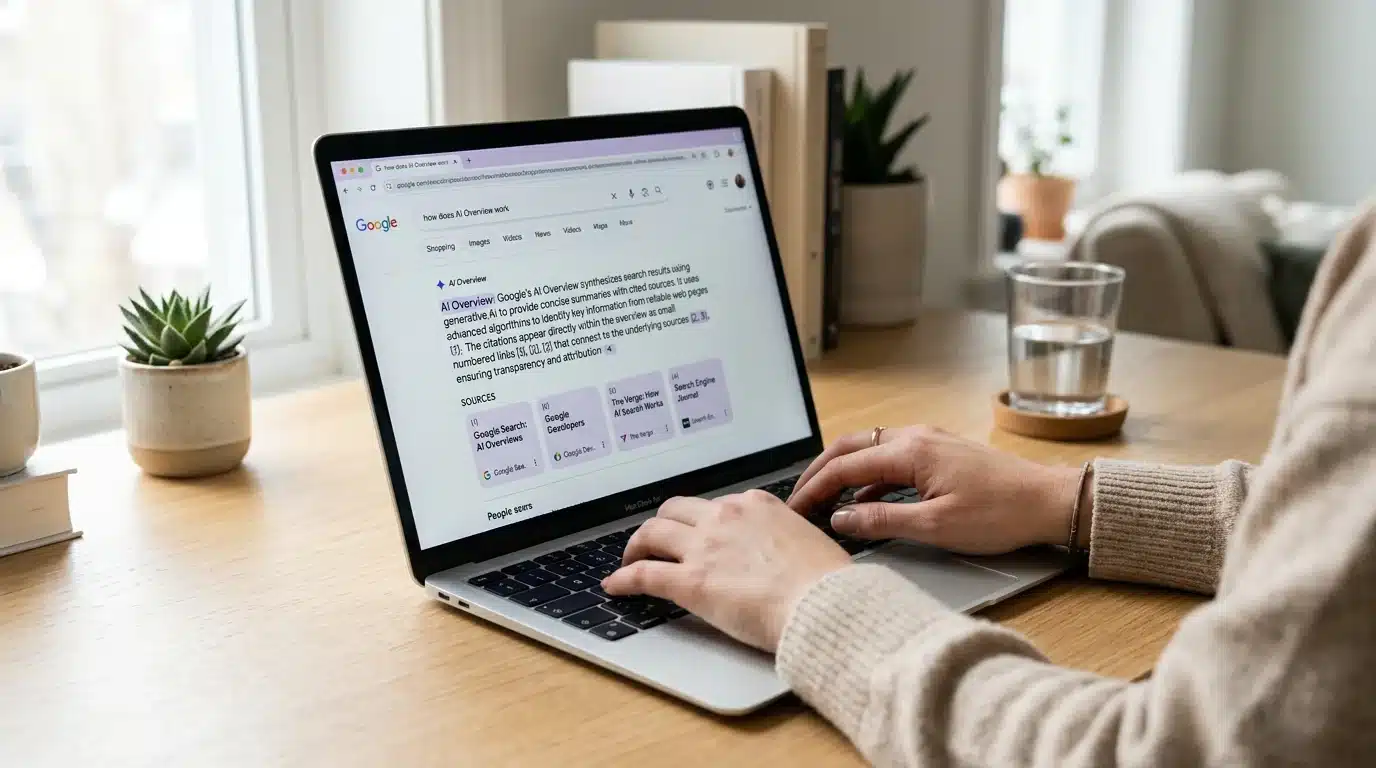
Google's AI Overviews now answer a large share of informational queries directly on the results page. If someone searches "what's the average SEO cost in Dubai," Google can generate a summary answer right there, no click required. That's real, and it's measurably cutting into click-through rates for a lot of the "quick answer" content that used to drive traffic.
Generic, thin content is hit hardest. If your page just restates a definition or a fact anyone can look up, an AI system can synthesize that instantly, and there's less reason for someone to click through to your site to get it.
GEO and AEO — What These Buzzwords Actually Mean
You've probably seen "GEO" (Generative Engine Optimization) and "AEO" (Answer Engine Optimization) floating around. Strip away the acronyms and it's this: optimizing your content so AI models can understand it, trust it, and cite it — not just so Google's crawler can index it.
In practice, that means clear structure (real headings, not walls of text), direct answers near the top of a section, credible sourcing and expertise signals, and content that says something an AI model can't just synthesize from ten other pages. I've built out GEO service packages specifically because this shift is real and clients are asking for it.

What This Actually Means for a Dubai Business
If you run a local service business, the AI Overview shift matters less than you'd think — a lot of "near me" and transactional searches still send people straight to a map pack or a website, because AI models are cautious about recommending a specific business without a clear, well-structured source to point to.
If you're publishing informational content to build authority, the bar just got higher. Thin, keyword-stuffed posts written purely to rank are the ones losing ground. Content built from real experience, with a clear point of view, is the content AI models actually pull from and cite.
Don't panic-rewrite everything because of AI Overviews. Audit which pages are losing click-through traffic, and be honest about whether those pages were ever adding real value beyond a quick fact. The pages worth saving are the ones with a genuine point of view — those are the ones both Google and AI models still reward.
The Honest Recommendation
Three things actually move the needle right now: write content that reflects real, first-hand expertise rather than a synthesis of what's already ranking; structure it so both a search crawler and an AI model can parse it cleanly; and track visibility more broadly than click-through rate alone, since being cited inside an AI answer is a form of reach even without a click.
I've watched Google shift its algorithm a dozen times over the years. SEO didn't die during any of those shifts — the tactics that were already lazy just stopped working. This is the same pattern, moving faster.
Not Sure If Your Content Is AI-Search Ready?
I'll take a look at how your site is showing up in AI Overviews and search results, and tell you honestly what's worth fixing first.
Book Your Free Consultation → No obligation. Straight answers about your specific situation.